How Do I Continue To Keep My Knives Sharp?
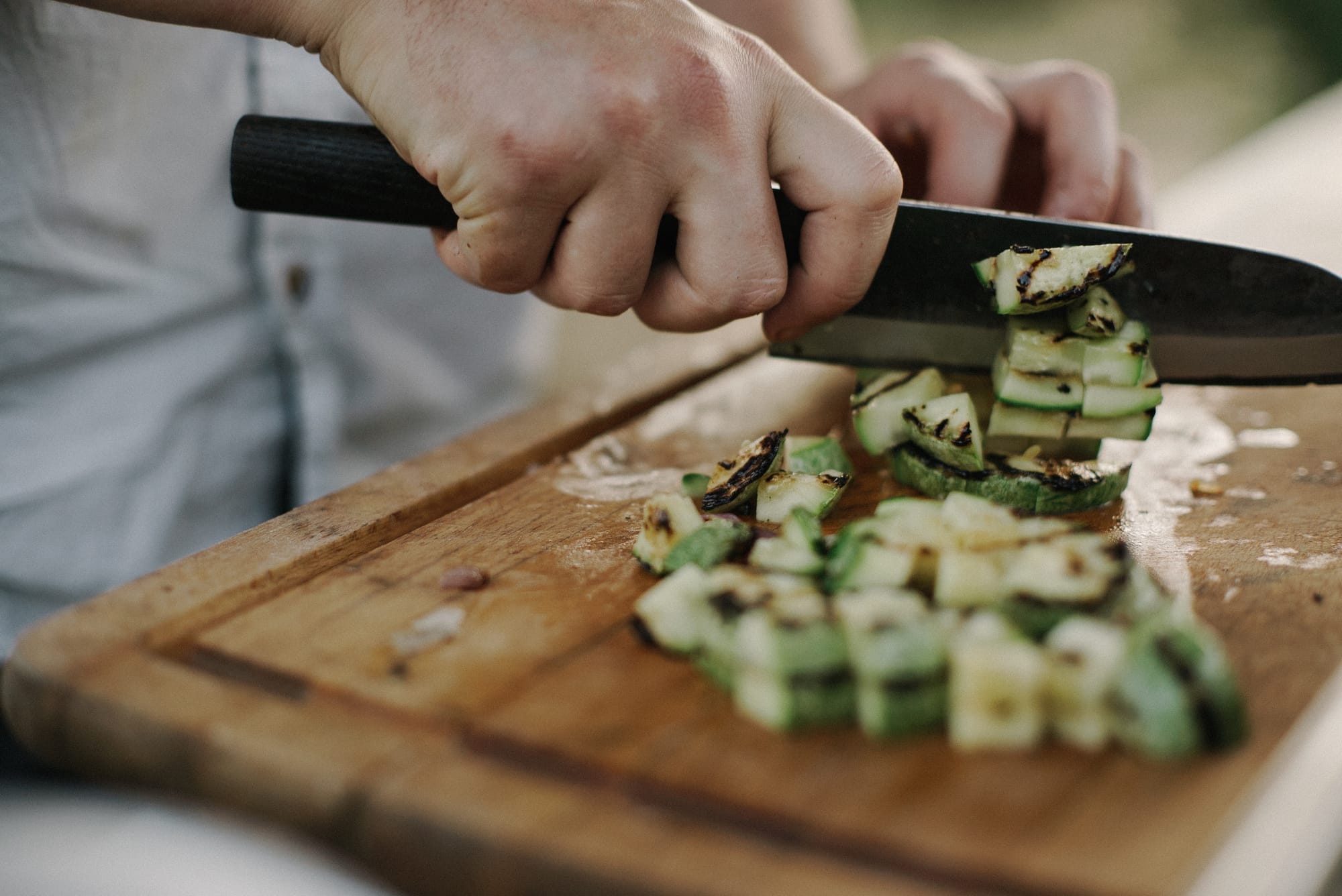
It’s an interesting question that many people wish they knew the answer to. It’s one thing knowing how to sharpen a knife properly, but it’s another understanding how to prolong its sharpness. Hopefully by the end of this post, you’ll have a better idea about how to extend the time before you need to sharpen your edge again.
Well, Just Sharpen Again? Nope!
I always stress the point: only sharpen your knife if it’s completely necessary. And I say this because every time you sharpen an edge, you strip off some amount of steel. It’s important for you to be cognizant of this. Having said that,
You cannot and should not think of sharpening as a quick fix every time your edge is dull.
You will need to eventually sharpen at some point, but let’s try to avoid it in the short term if possible. Make sense? Okay, great! You’re probably wondering……what should you do then? That’s exactly what I will be talking about below.
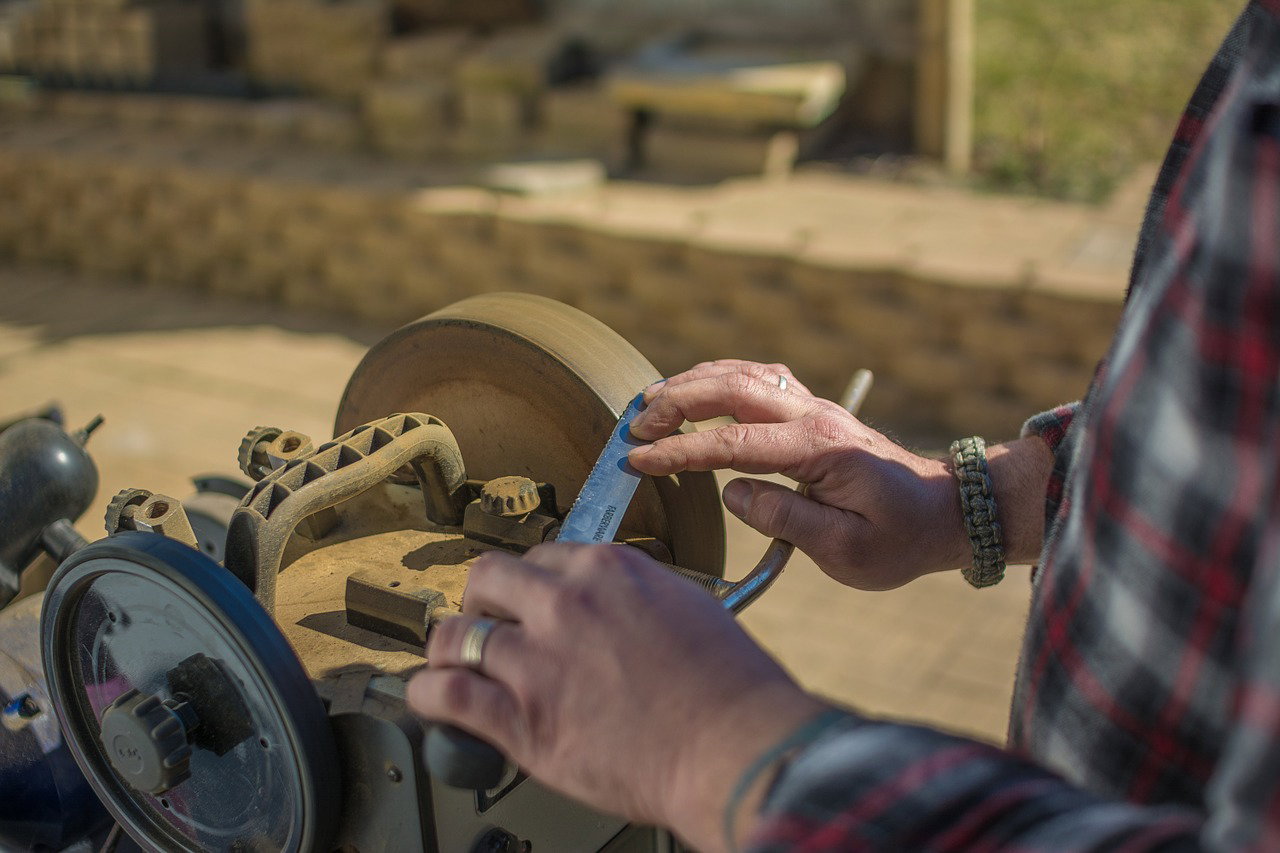 Sharpening Frequently Shouldn't Be Your Strategy!
Honing: The Best Thing You Can Do!
I talk about honing in almost every post I write, and that’s because it’s so important as far as knife maintenance is concerned.
One thing most people fail to realize is how delicate a knife edge really is, and because of this, it doesn’t take much to misalign or fold.
In fact, I’d go the extent of saying that you should expect your edge to be misaligned with time. It’s inevitable! And what happens when your knife edge is misaligned? It feels dull and blunt, and the more you use it, the worse it gets. There is an antidote to this, however: It’s called honing.
Honing a knife serves to knock the misaligned edge back into alignment.
Having said that, honing should be incorporated in your routine and you should be doing it frequently (once a week at least).
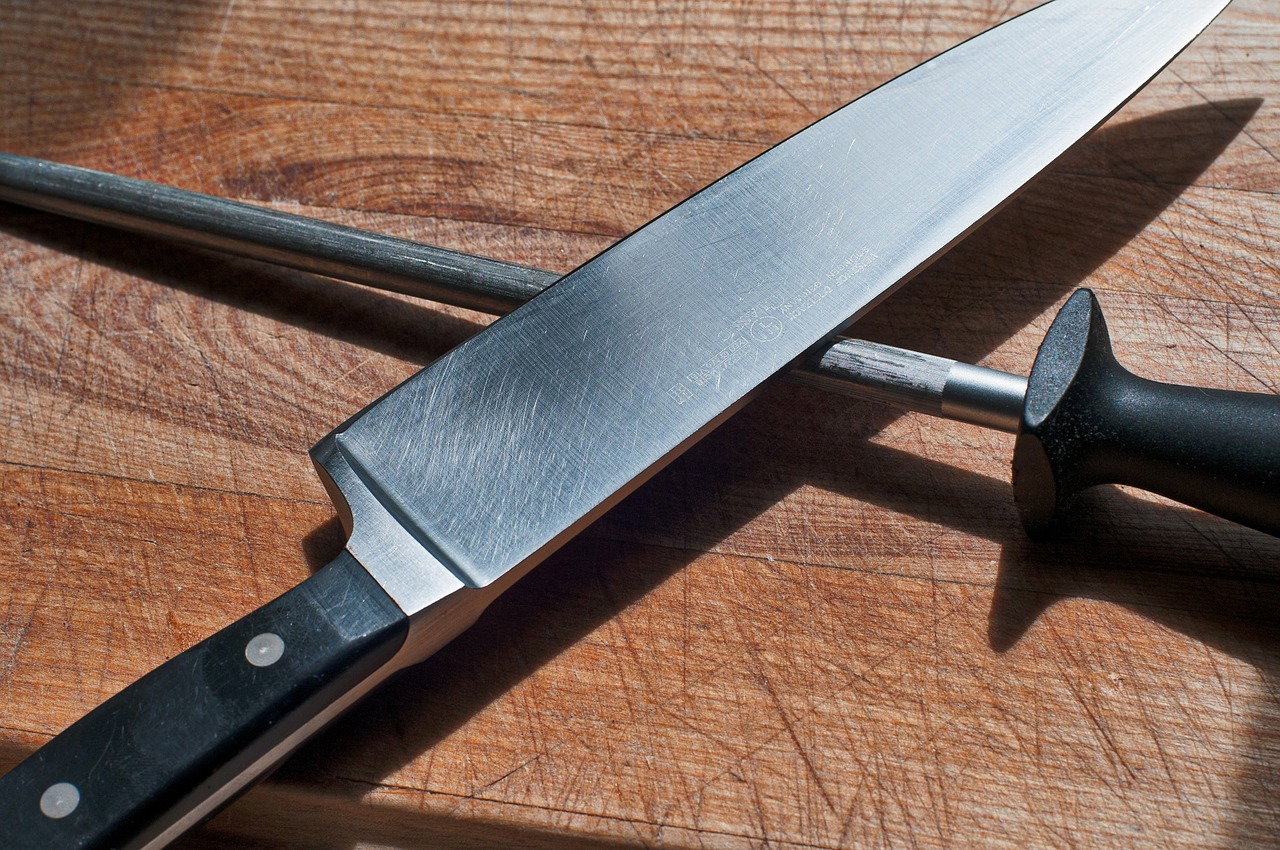 Don't Forget To Hone!
Food For Thought: Soft Steels Vs Hard Steels
When talking knives, hardness is a very important concept to understand.
Hard steels typically retain an edge for longer than soft steels, but it's more difficult to sharpen a hard steel than a soft steel.
To complicate things even further, there's this thing called toughness/flexibility. Hardness and toughness share an inverse relationship i.e. if you have high hardness, then you have less flexibility/toughness and vice versa. That's why a hard knife is more susceptible to nicks, chips, and shattering. By now your head's probably spinning, so let me try to stay on point. All you need to know is this:
If you own a hard knife (you can find this out by looking up your Rockwell C number), your knife will retain its edge for longer, but sharpening will be more challenging and time consuming.
If you own a soft knife, you will be sharpening frequently. Hopefully, that's a bit more clear now. As I said, this is just food for thought, so you have a basic idea of how to approach sharpening your knife depending on your specific scenario.
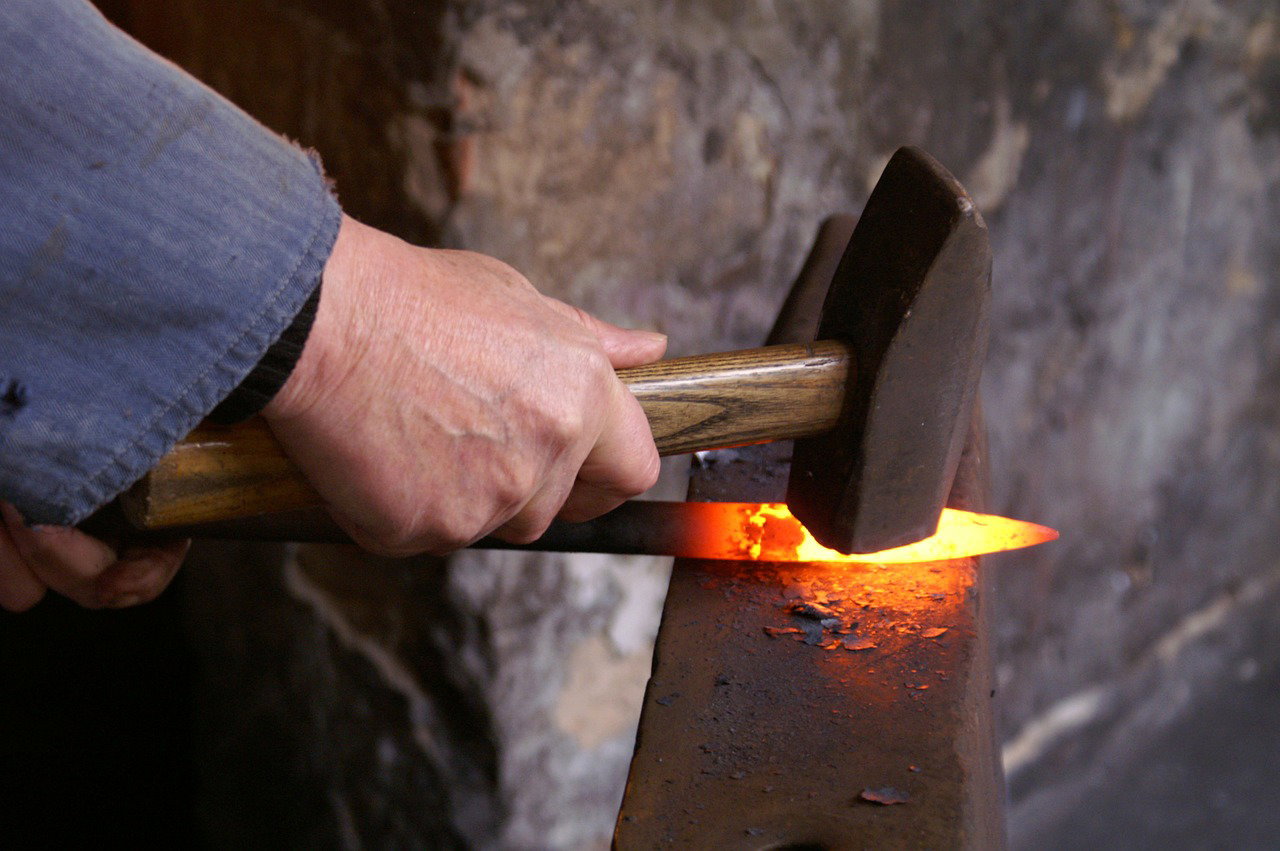 Not All Steels Are The Same: Hard Steels Are Able To Retain An Edge For Longer Than Soft Steels!
How Seriously Do You Take Sharpening?
How seriously do you take sharpening your knives, and more importantly how do you sharpen?
The 3 most popular devices in the market today include: electric sharpeners, non electric sharpeners, and sharpening stones.
You can find top notch devices in each of these categories, just as you can find complete rubbish. It's up to you to do your homework and find something that will work best for you. When you have a high quality sharpener, you end up with a finely sharpened edge that will last for longer.
What's the lesson here? Do your research and get something good!
Professionals Exist For A Reason, Use Them!
What do professionals do that set them apart from ordinary folks like you and I? And I’m talking about professionals who take pride in what they do, and aren’t out just to make a buck.
When you give your knife to a reputable professional service, you can expect to see excellent results.
If you’re an amateur who doesn’t have much experience, your results will not be the same. That’s why we have professionals, ladies and gentleman!
I would rather pay a professional to work on my expensive knives than trying to risk working on them myself.
Professionals exist for a reason, use them!
And We're Done!
Remember, the longer your knives remain sharp, the easier and safer your work in the kitchen (or elsewhere). I hope this post has given you some value, and if it has, a share would be greatly appreciated. I’d be more than happy to answer any questions or comments, so please do not hesitate to leave them below!
